Human history is filled with astounding architectural achievements, and few selections capture our collective imagination quite like the official New 7 Wonders of the World. Driven by a global campaign launched in 2000 by a Swiss foundation, a massive pool of 200 existing monuments was narrowed down to represent the absolute pinnacle of human creativity, engineering, and cultural heritage across different civilizations.
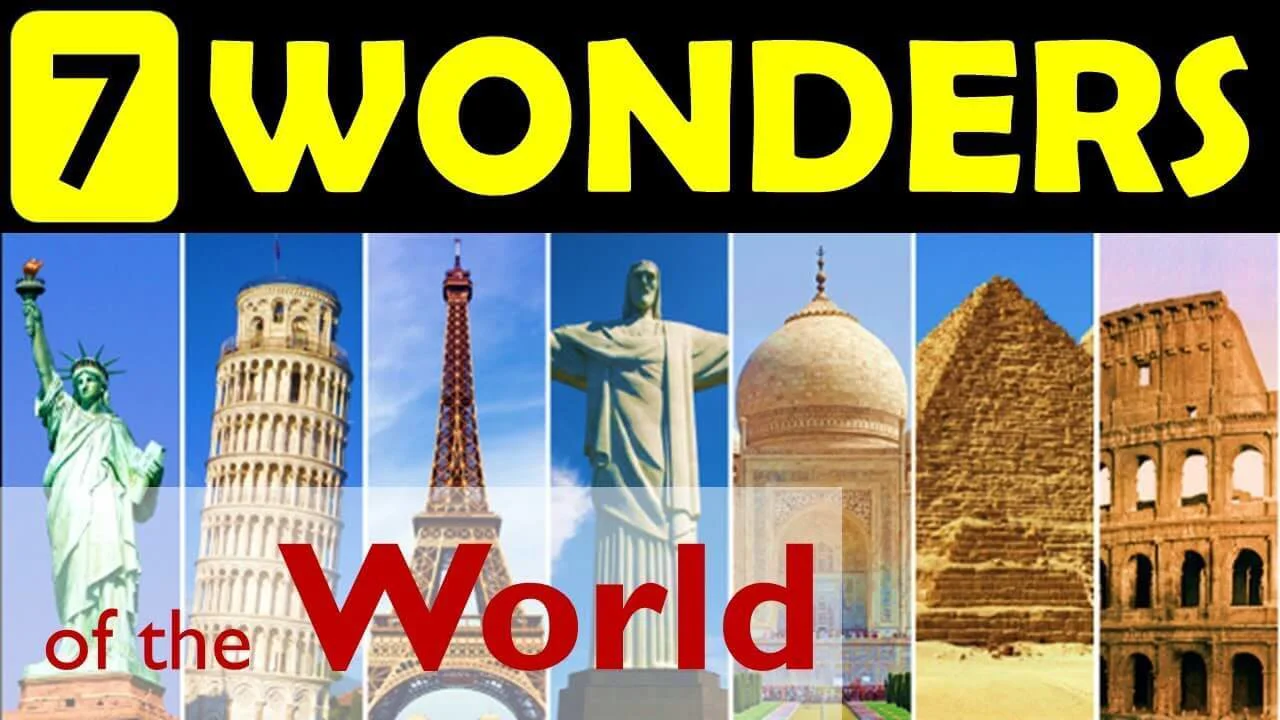
The Official List of the New 7 Wonders of the World
These extraordinary structures stand as timeless monuments to the ingenuity of past eras. Below is the checklist and quick summary of these legendary global landmarks:
- 1. The Great Wall of China - China - 700 BC
- 2. The Petra - Ma’an, Jordan - 312 BC
- 3. The Colosseum - Rome, Italy - AD 80
- 4. The Chichen Itza - Yucatan, Mexico - AD 600
- 5. The Machu Picchu - Cusco Region, Peru - AD 1450
- 6. The Taj Mahal - Agra, India - AD 1643
- 7. Christ the Redeemer - Rio de Janeiro - AD 1931
| So. | Name | Location | Year |
|---|---|---|---|
| 1 | The Great Wall of China | China | 700 BC |
| 2 | The Petra | ma’an, Jordan | 312 BC |
| 3 | The Colosseum | Rome, Italy | AD 80 |
| 4 | The Chichen Itza | Yucatan, Mexico | AD 600 |
| 5 | The Machu Picchu | Cusco Region, Peru | AD 1450 |
| 6 | The Taj Mahal | Agra, India | AD 1643 |
| 7 | Christ the Redeemer | Rio de Janeiro | AD 1931 |
Detailed Architectural Insights and Construction History
Each of these wonders carries a unique legacy spanning diverse continents and epochs. Notably, the Great Pyramid of Giza was granted honorary status as the only surviving member of the ancient wonders.
1. The Great Wall of China
Beginning construction as early as the 7th century BC, this massive defensive structure saw its most iconic sections crafted during the Ming Dynasty (1368–1644). In total, it spans over 21,196 km across northern China.
2. Petra (Raqmu)
Situated in Ma’an, Jordan, Petra was established by the Nabataean people, brilliantly carved directly into sandstone cliffs, and later revealed to the Western world by Johan Ludwig Burckhardt in 1812.
3. The Colosseum (Flavian Amphitheater)
Located in Rome, Italy, this monumental arena was commissioned by Emperor Vespasian around AD 72 and completed by Titus in AD 80, historically holding up to 80,000 spectators.
4. Chichen Itza
Flourishing between the 9th and 10th centuries within Yucatan, Mexico, the heart of the Mayan civilization here was designated a UNESCO World Heritage site in 1988.
5. Machu Picchu
Perched 7,970 feet high in the Cusco Region of Peru, Machu Picchu was constructed around 1450 for Emperor Pachacuti of the Inca Empire, and later rediscovered by Hiram Bingham in 1911.
6. The Taj Mahal
Commissioned in 1632 in Agra, India, by Mughal Emperor Shah Jahan for Mumtaz Mahal, this mausoleum was completed around 1643, requiring over 20,000 artisans and 22 years to build.
7. Christ the Redeemer
Standing tall in Rio de Janeiro, Brazil, this colossal art deco statue was completed in 1931. Designed by Heitor da Silva Costa, Paul Landowski, and Albert Caquot, it stands 30 meters tall with a striking 28-meter arm span.
Explore More General Knowledge Topics
If you are preparing for competitive exams or wish to expand your general knowledge (GK), explore these additional curated guides and lists:
Frequently Asked Questions (FAQs)
Recommended Reads
- CGSSB Exam Calendar 2027 Released: Check Complete Schedule & Dates
- SBI Recruitment 2026-27: Upcoming Hiring Plans and Branch Expansion Details
- GATE 2027 Registration: Complete Guide, Exam Schedule & Application Tips
- BPSC 72nd Exam 2026 Postponed: Check Details & New Schedule Updates
- SBI PO 2026: Record 12 Lakh Applications for 1,500 Vacancies
- The Revolt of 1857: Causes, Key Leaders, Suppression, and Consequences
Exam Photo & Signature Resizer (20KB - 50KB)
Resize passport photo & signature to 20-50KB with Name & Date of Photo (DOP) strip or combine them in 1-click.
Never miss another exam update!
Get the fastest exam results, recruitment news, and educational guides delivered directly to your phone.