Our planet is a magnificent blue marble where roughly 71% of Earth is covered by oceans and 29% comprises the seven great landmasses known as continents. Altogether, the world features 7 continents and 5 oceans that shape global geography, climate zones, and human culture.
To expand your foundational General Knowledge, it helps to examine how the land is divided. The official 7 continents are Asia, Africa, Europe, Australia, North America, South America, and Antarctica. When exploring global demographics, you can also cross-reference our guide on Countries and their Capitals.
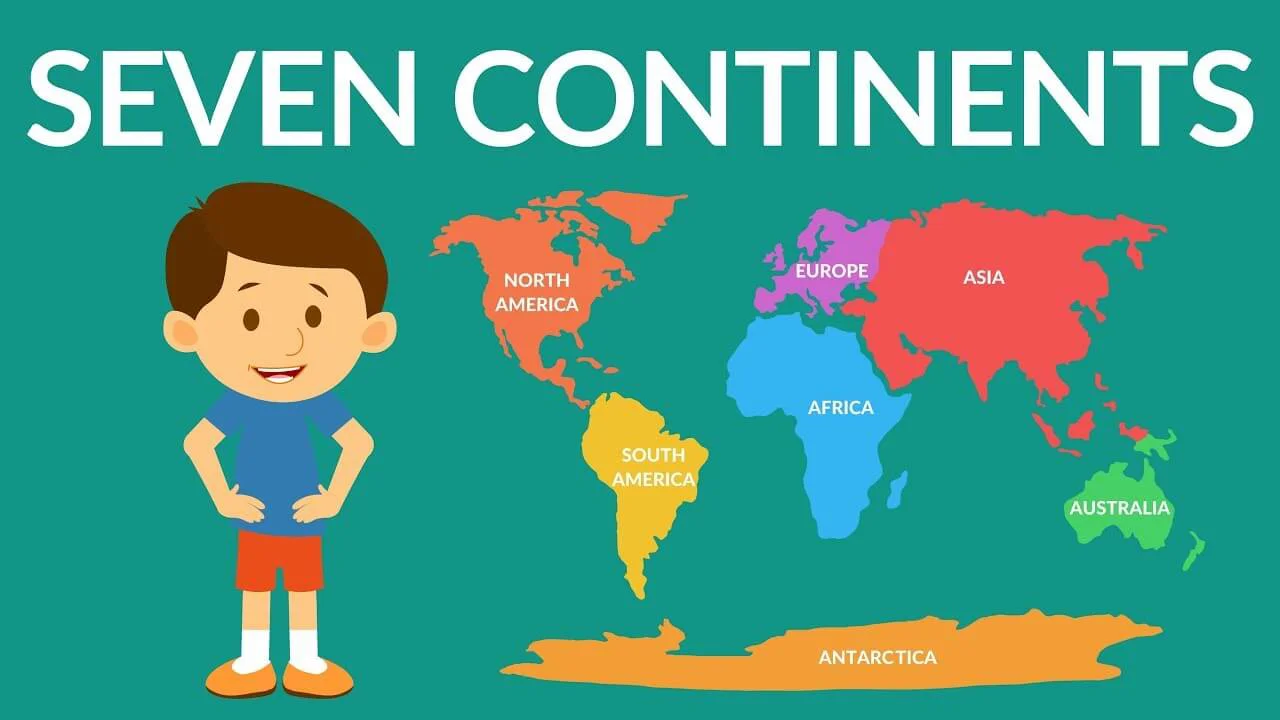
Geographical Overview of the 7 Continents
The area-wise ranking of continents from largest to smallest is: Asia > Africa > North America > South America > Antarctica > Europe > Australia. Additionally, an important geographical line—the Equator—passes through three continents (South America, Africa, and Asia) crossing 13 different countries.
| Continents | Area (km²) | Population (By 2020) | Population Share (%) | Number of countries |
|---|---|---|---|---|
| Asia | 31,033,131,150 | 4,641,054,775 | 59.54% | 48 |
| Africa | 29,648,481 | 1,340,598,147 | 17.20% | 54 |
| Europe | 22,134,900 | 747,636,026 | 9.59% | 44 |
| North America | 21,330,000 | 592,072,212 | 7.60% | 23 |
| South America | 17,461,112 | 430,759,766 | 5.53% | 12 |
| Australia | 8,486,460 | 43,111,704 | 0.55% | 03 |
| Antartica | 13,720,000 | 0 | 0 | 0 |
Continents of the World Overview (Area, Population, Countries)
- Asia: Area 31,033,131,150 km², Population (2020) 4,641,054,775, Population Share 59.54%, Countries: 48
- Africa: Area 29,648,481 km², Population (2020) 1,340,598,147, Population Share 17.20%, Countries: 54
- Europe: Area 22,134,900 km², Population (2020) 747,636,026, Population Share 9.59%, Countries: 44
- North America: Area 21,330,000 km², Population (2020) 592,072,212, Population Share 7.60%, Countries: 23
- South America: Area 17,461,112 km², Population (2020) 430,759,766, Population Share 5.53%, Countries: 12
- Australia: Area 8,486,460 km², Population (2020) 43,111,704, Population Share 0.55%, Countries: 03
- Antartica: Area 13,720,000 km², Population (2020) 0, Population Share 0, Countries: 0
Continents of the World - Important Points
- Asia is the largest continent, it covers one-third of the earth’s surface.
- Africa is the second-largest continent.
- While Europe is regarded as the wealthiest and richest continent, there are poor regions, especially in the continent's eastern regions as well.
- There are a total of five-time zones in North America.
- Antarctica has its own Treaty, in 1959, 12 countries signed the Treaty, Since then 41 other countries have also signed and participated in the annual meeting.
Key Regional Highlights
Asia covers one-third of Earth's total land area and is the birthplace of major belief systems, including Hinduism, Islam, and Buddhism. Africa encompasses about 20% of Earth's total landmass, featuring legendary geographical landmarks like the Nile River and the Sahara Desert. Europe consists of 44 countries, is the only continent without a desert, hosts Vatican City, and utilizes the Euro across many nations with Germany as its most populous country.
Across the Atlantic, North America features every climate zone from tropical and desert to continental and polar, spans five time zones, and includes Lake Superior. South America features the Amazon River, towering peaks like Mt. Cotopaxi and Mt. Chimborazo, and Brazil as the primary coffee producer. Meanwhile, Australia—often called the Island Continent or Land Down Under—is situated entirely south of the equator and comprises Australia, New Zealand, and Papua New Guinea.
Finally, Antarctica is a vast, frozen expanse covering roughly 13,720,000 km² in summer, nearly doubling in size during winter. It holds roughly 75% of the world's freshwater ice, with ice sheets reaching thicknesses up to 4 kilometers, and lacks any permanent indigenous population or countries. For further details, you can read more at 7 Continents and 5 Oceans- Read More.
Frequently Asked Questions (FAQs)
Recommended Reads
- Earth’s Geography: Understanding the 7 Continents and 5 Oceans
- CGSSB Exam Calendar 2027 Released: Check Complete Schedule & Dates
- SBI Recruitment 2026-27: Upcoming Hiring Plans and Branch Expansion Details
- GATE 2027 Registration: Complete Guide, Exam Schedule & Application Tips
- BPSC 72nd Exam 2026 Postponed: Check Details & New Schedule Updates
- SBI PO 2026: Record 12 Lakh Applications for 1,500 Vacancies
Exam Photo & Signature Resizer (20KB - 50KB)
Resize passport photo & signature to 20-50KB with Name & Date of Photo (DOP) strip or combine them in 1-click.
Never miss another exam update!
Get the fastest exam results, recruitment news, and educational guides delivered directly to your phone.