The Roman numeral system is a fascinating mathematical relic from ancient Rome, developed around 500 BC. While we primarily use the Hindu-Arabic system today, Roman numerals remain vital for understanding clock faces, chapter markings, and historical documents. By utilizing specific letters from the Latin alphabet, this system offers a unique perspective on counting and classification.
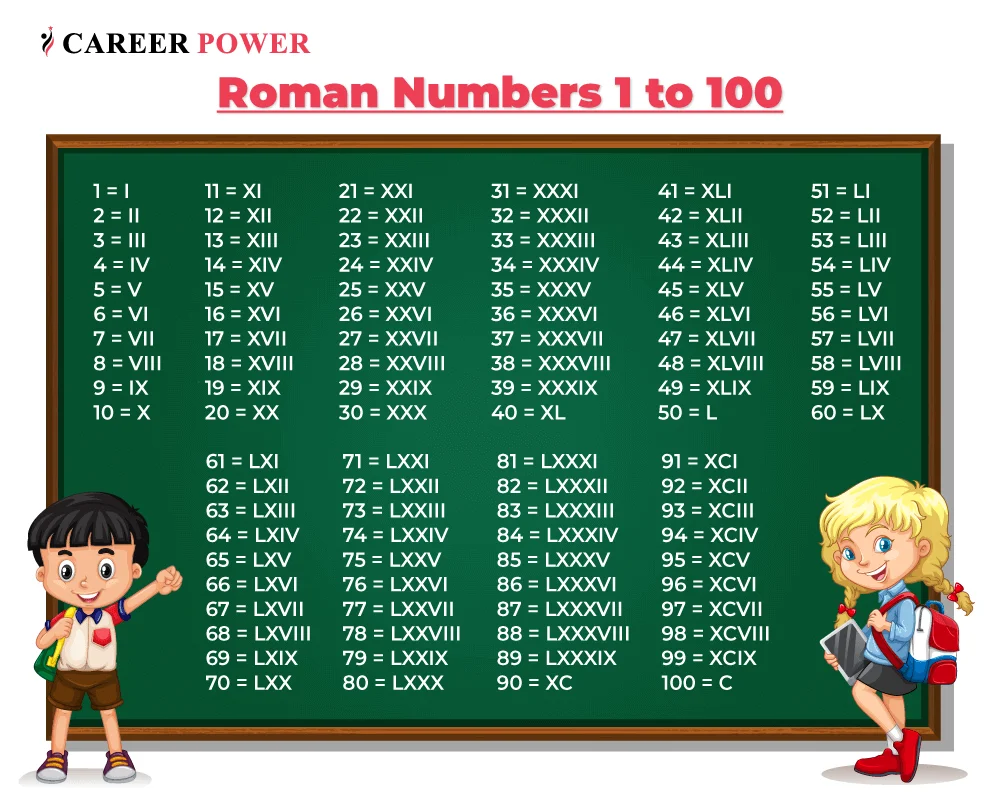
Understanding the Basics of Roman Numerals
At its core, the Roman system relies on seven primary characters. It is important to note that this ancient system does not include a symbol for zero. To effectively work with these numbers, familiarize yourself with these base values:
| Hindu-Arabic Numerals | Roman Numerals |
|---|---|
| 1 | I |
| 5 | V |
| 10 | X |
| 50 | L |
| 100 | C |
| 500 | D |
| 1000 | M |
Roman Numeral Formatting Rules
To write or read complex numbers, you must adhere to specific structural guidelines. Follow this checklist to ensure your work is accurate:
- If a larger value letter precedes a smaller value letter, the values are added.
- If a smaller value letter precedes a larger value letter, the smaller value is subtracted from the larger one.
- Repeated symbols are added together to reach their total value.
- A symbol cannot be repeated more than three times consecutively.
- Symbols like V, L, and D cannot be repeated at all.
How to Convert Hindu-Arabic Numbers to Roman Numerals
Converting modern numbers into Roman format can be simplified into a logical three-step procedure:
- Break the number into its place values (e.g., for 1990, break into 1000, 900, and 90).
- Perform individual conversions for each place value (e.g., 1000 = M, 900 = CM, 90 = XC).
- Combine the individual Roman numeral representations to form the final number (e.g., MCMXC).
Roman Numbers 1 to 100 Reference Table
| Number | Roman Numbers | Number in Words |
|---|---|---|
| 1 | I | One |
| 10 | X | Ten |
| 50 | L | Fifty |
| 100 | C | One hundred |
High-Value Roman Representations
Beyond 1000, the Roman system utilizes specific representations for larger magnitudes:
| Number | Roman Number Representation |
|---|---|
| 5000 | V |
| 10,000 | X |
| 50,000 | L |
| 100,000 | C |
| 500,000 | D |
| 1,000,000 | M |
Frequently Asked Questions (FAQs)
Recommended Reads
- AP AEE Answer Key 2026 Released: Download Official Response Sheet and Raise Objections
- DSSSB MTS Result 2026 Declared: Check Shortlist, Cut-Offs & E-Dossier Details
- Bihar Librarian Syllabus 2026: Exam Pattern, Topics, and Preparation Guide
- SSC CHSL 2026 Notification: Major Exam Changes & Application Updates
- APCOB Recruitment 2026: Admit Card Download Guide, Exam Schedule & Essential Tips
- BGSSL Recruitment 2026: Apply for 2049 Executive & Managerial Roles | Bank of Baroda Subsidiary
Exam Photo & Signature Resizer (20KB - 50KB)
Resize passport photo & signature to 20-50KB with Name & Date of Photo (DOP) strip or combine them in 1-click.
Never miss another exam update!
Get the fastest exam results, recruitment news, and educational guides delivered directly to your phone.