As India approaches its historic 79th Independence Day of India on August 15, 2026, it is vital to reflect on the immense sacrifices, resilience, and unwavering spirit of the leaders who fought to break the shackles of British colonial rule. India achieved its hard-earned independence on August 15, 1947, following decades of fierce resistance led by countless visionaries, thinkers, and revolutionaries. From early uprisings in 1857 to mass civil disobedience movements and militant revolutionary actions, every chapter of the Indian independence movement shaped the sovereign republic we cherish today.
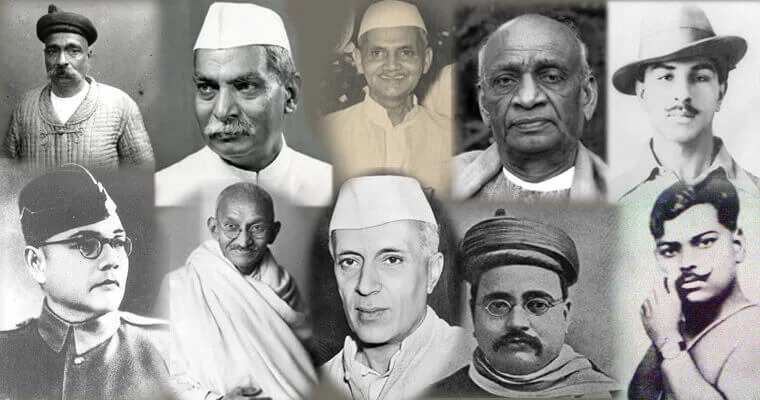
The Sparks of Early Resistance: 1857 and Beyond
The journey of resistance dates back centuries, marked by pioneering figures who challenged the might of the British East India Company. In 1799, Veerapandiya Kattabomman faced a martyr's death by hanging on October 16 after courageously challenging colonial expansion. Decades later, the fierce defiance of Mangal Pandey ignited the 1857 Sepoy Mutiny, which quickly spread across the subcontinent. Leaders like Tantia Tope, Rani Lakshmi Bai, Begum Hazrat Mahal, Nana Saheb Peshwa II, Kunwar Singh, Bahadur Shah Zafar, Chetram Jatav, and Bakht Khan spearheaded the Indian Rebellion of 1857, laying the groundwork for future nationalist movements.
Intellectual Awakening and Radical Thought
Intellectuals and social reformers systematically exposed the exploitation of the British Raj. Dadabhai Naoroji authored 'Poverty and Un-British Rule in India', exposing the systemic drain of wealth. Meanwhile, Bal Gangadhar Tilak, widely known as 'The Maker of Modern India', famously coined the stirring slogan, 'Swaraj is my birthright, and I shall have it!' Bipin Chandra Pal, hailed as the 'Father of Revolutionary Thoughts in India', authored 'Indian Nationalism' and 'The Soul of India', while Lala Lajpat Rai ('Punjab Kesari') fiercely opposed the Simon Commission. Together with leaders like Gopal Krishna Gokhale—the political mentor of Mahatma Gandhi—these figures shaped the socio-political consciousness of the nation.
Mass Movements and the Mahatma Era
Mahatma Gandhi, born on October 2, 1869, in Porbandar, transformed the freedom struggle through Satyagraha, civil disobedience, and non-violent resistance. Internationally recognized as the Father of the Nation ('Bapu' and 'Gandhiji'), his birthday is observed globally as the 'International Day of Non-Violence'. Tragically, he was assassinated by Nathuram Godse on January 30, 1948. Alongside Gandhi, towering figures like Sardar Vallabhbhai Patel—the 'Ironman of India' and 'Unifier of India' who served as India's first Deputy Prime Minister and Home Minister—played decisive roles in orchestrating movements and integrating the nation.
Revolutionary Zeal and Armed Resistance
Parallel to mass movements, passionate revolutionaries championed armed struggle. Subhas Chandra Bose formed the Azad Hind Fauj, rallying soldiers with powerful slogans like 'Give me blood, and I shall give you freedom' and 'Delhi Chalo'. Figures like Bhagat Singh, Sukhdev Thapar (martyred at age 23), Chandra Shekhar Azad (who reorganized the Hindustan Republican Association into the Hindustan Socialist Republican Association), and Ashfaqullah Khan demonstrated extraordinary courage against British oppression. For broader context on incredible female leaders who stood shoulder-to-shoulder with their male counterparts, explore this detailed overview of women freedom fighters of india.
Top Freedom Fighters and Contributions Checklist
To fully appreciate the scope of the Indian independence movement, review the comprehensive checklist of key freedom fighters and their monumental contributions below:
- Bal Gangadhar Tilak: The Maker of Modern India, Swadeshi Movement
- Dr. Rajendra Prasad: First President of the Republic of India
- Lal Bahadur Shastri: White Revolution, Green Revolution, Second Prime Minister of India
- Sardar Vallabhbhai Patel: Civil Disobedience Movement and Quit India Movement, Unification of India
- Bhagat Singh: One of the Most Influential Revolutionaries
- Subhas Chandra Bose: World War II, Indian National Congress
- Mahatma Gandhi: Father of the Nation, Civil Rights Activists in South Africa, Satyagraha, Civil Disobedience Movement, Quit India Movement
- Jawaharlal Nehru: First Prime Minister of India
- Gopal Krishna Gokhale: Political guru of Mahatma Gandhi
- Chandra Shekhar Azad: Reorganized the Hindustan Republican Association (HRA) under the new name of the Hindustan Socialist Republican Association (HSRA)
- Dadabhai Naoroji: Unofficial Ambassador of India
- Tantia Tope: Indian Rebellion of 1857
- Bipin Chandra Pal: Father of Revolutionary Thoughts, Swadeshi Movement
- Lala Lajpat Rai: Punjab Kesari, Against Simon Commission
- Ashfaqullah Khan: Member of Hindustan Republican Association
- Nana Sahib: Indian Rebellion of 1857
- Sukhdev: Chief of Punjab unit of HSRA (Hindustan Socialist Republican Association)
- Kunwar Singh: Indian Rebellion of 1857
- Mangal Pandey: Sepoy mutiny of the revolt of 1857
- Vinayak Damodar Savarkar: Leading figures of Hindu Mahasabha and formulators of Hindu Nationalist Philosophy
- Rani Lakshmi Bai: Leading women in the rebellion of 1857
- Begum Hazrat Mahal: First female freedom fighter
- Kasturba Gandhi: Quit India movement
- Kamla Nehru: Non-cooperation Movement, Protested against foreign liquors
- Vijay Laxmi Pandit: First Indian women ambassador at UN
- Sarojini Naidu: First Indian woman who acted as governor (UP)
- Aruna Asaf Ali: Inquilab (Monthly journal)
- Madam Bhikaji Cama: First Indian to hoist the Indian Non-cooperation flag on foreign soil, Mother India’s first cultural representative of USA
- Kamla Chattopadhyay: The first woman to be elected to a legislative seat in India (madras province)
- Sucheta Kriplani: First women Chief minister (UP)
- Annie Besant: First woman president of INC, Home rule league
- Kittur Chennamma: First female ruler to rebel against the British
- Savitribai Phule: First lady teacher in India
- Usha Mehta: Organized Congress Radio popularly the Secret Congress Radio
- Lakshmi Sahgal: India Democratic Women Association (IDWA) (1981)
- Dr. B.R Ambedkar: Principal architect of the Indian Constitution, first Law Minister of independent India
- Rani Gaidinliu: Naga spiritual and political leader
- Prafulla Chaki: Involved in the Muzaffarpur killing
- Chittaranjan Das: Leader in the Non-cooperation Movement from Bengal and Founder of the Swaraj party
- Bhavabhushan Mitra: Involved in Ghadar Mutiny
- Alluri Sitarama Raju: Rampa Rebellion 1922-1924
- Kanneganti Hanumanthu: Palnadu Rebellion
- Parbati Giri: Mother Teresa of Western Orissa
- Tirupur Kumaran: Founder of the Desa Bandhu Youth Association
- Kanaiyalal Maneklal Munshi: Founder of Bharatiya Vidya Bhavan
- Senapati Bapat: Leader of the Mulshi Satyagraha
- Basawon Singh (Sinha): Lahore conspiracy case
- Kartar Singh Sarabha: Lahore conspiracy
- Bagha Jatin: The Howrah-Shibpur conspiracy case
- Jogesh Chandra Chatterjee: Kakori conspiracy
- Roshan Singh: Kakori conspiracy
- Pingali Venkayya: Designer of the flag on which our National Flag is based
- Veerapandiya Kattabomman: 18th-century Tamil chieftain and pioneer of resistance against the British East India Company
- Sachindra Bakshi: Kakori conspiracy
- Rajendra Lahiri: Kakori conspiracy
- Manmath Nath Gupta: Kakori conspiracy
- Bahadur Shah Zafar: Indian Rebellion of 1857
- Chetram Jatav: Indian Rebellion of 1857
- Bakht Khan: Indian Rebellion of 1857
You can also browse the complete List of Women Freedom Fighters of India for further reading on heroines like Sarojini Naidu, Sucheta Kriplani, and Aruna Asaf Ali.
Comprehensive Freedom Fighters Reference Table
The following structured table outlines key freedom fighters and their primary contributions to India's freedom struggle:
| Freedom Fighters Name | Contributions and Roles |
|---|---|
| Bal Gangadhar Tilak | The Maker of Modern India, Swadeshi Movement |
| Dr.Rajendra Prasad | First President of the Republic of India |
| Lal Bahadur Shastri | White Revolution Green Revolution Second Prime Minister of India |
| Sardar Vallabhbhai Bhai Patel | Civil Disobedience Movement and Quit India Movement Unification of India |
| Bhagat Singh | One of the Most Influential Revolutionary |
| Subhas Chandra Bose | World War II Indian National Congress |
| Mahatma Gandhi | Father of the Nation, Civil Rights Activists in South Africa, Satyagraha, Civil Disobedience Movement Quit India Movement |
| Jawaharlal Nehru | First Prime Minister of India |
| Gopal Krishna Gokhale | Political guru of Mahatma Gandhi |
| Chandra Shekhar Azad | Reorganized the Hindustan Republican Association (HRA) under the new name of the Hindustan Socialist Republican Association(HSRA) |
| Dadabhai Naoroji | Unofficial Ambassador of India |
| Tantia Tope | Indian Rebellion of 1857 |
| Bipin Chandra Pal | Father of Revolutionary Thoughts Swadeshi Movement |
| Lala Lajpat Rai | Punjab Kesari Against Simon Commission |
| Ashfaqullah Khan | Member of Hindustan Republican Association |
| Nana Sahib | Indian Rebellion of 1857 |
| Sukhdev | Chief of Punjab unit of HSRA(Hindustan Socialist Republican Association) |
| Kunwar Singh | Indian Rebellion of 1857 |
| Mangal Pandey | Sepoy mutiny of the revolt of 1857 |
| Vinayak Damodar Savarkar | Leading figures of Hindu Mahasabha and formulators of Hindu Nationalist Philosophy |
| Rani Lakshmi Bai | Leading women in the rebellion of 1857 |
| Begum Hazrat Mahal | First female freedom fighter |
| Kasturba Gandhi | Quit India movement |
| Kamla Nehru | Non-cooperation Movement, Protested against foresign liquors |
| Vijay Laxmi Pandit | First Indian women ambassador at UN. |
| Sarojini Naidu | First Indian woman who acted as governor (UP) |
| Aruna Asaf Ali | Inquilab (Monthly journal) |
| Madam Bhikaji Cama | First Indian to hoist the Indian Non-cooperation flag on foreign soil, Mother India’s first cultural representative of USA’ |
| Kamla Chattopadhyay | The first woman to be elected to a legislative seat in India(madras province) |
| Sucheta Kriplani | First women Chief minister (UP) |
| Annie Besant | First woman president of INC, Home rule league. |
| Kittur Chennamma | First female ruler to rebel against the British |
| Savitribai Phule | First lady teacher in India |
| Usha Mehta | Organized Congress Radio popularly the Secret Congress Radio |
| Lakshmi Sahgal | India Democratic Women Association(IDWA)(1981 ) |
| Dr. B.R Ambedkar | He is widely revered as the principal architect of the Indian Constitution. He served with distinction as the first Law Minister of independent India. |
| Rani Gaidinliu | She was Naga spiritual and political leader |
| Prafulla Chaki | Involved in the Muzaffarpur killing |
| Chittaranjan Das | Leader in the Non-cooperation Movement from Bengal and Founder of the Swaraj party |
| Bhavabhushan Mitra | Involved in Ghadar Mutiny |
| Alluri Sitarama Raju | Rampa Rebellion 1922-1924 |
| Kanneganti Hanumanthu | Palnadu Rebellion |
| Parbati Giri | She is also known as mother Teresa of Western Orissa. |
| Tirupur Kumaran | He was the founder of the Desa Bandhu Youth Association |
| Kanaiyalal Maneklal Munshi | He was the founder of Bharatiya Vidya Bhavan |
| Senapati Bapat | He was the leader of the Mulshi Satyagraha |
| Basawon Singh (Sinha) | Lahore conspiracy case |
| Kartar Singh Sarabha | Lahore conspiracy |
| Bagha Jatin | The Howrah-Shibpur conspiracy case |
| Jogesh Chandra Chatterjee | Kakori conspiracy |
| Roshan Singh | Kakori conspiracy |
| Pingali Venkayya | He was the designer of the flag on which our National Flag is based |
| Veerapandiya Kattabomman | He was a courageous 18th-century Tamil chieftain and a pioneer of resistance. He famously challenged the sovereignty of the British East India Company, sparking an early revolt against colonial expansion. After his capture, he faced a martyr's death, being hanged by British forces on October 16, 1799. |
| Sachindra Bakshi | Kakori conspiracy |
| Rajendra Lahiri | Kakori conspiracy |
| Manmath Nath Gupta | Kakori conspiracy |
| Bahadur Shah Zafar | Indian Rebellion of 1857 |
| Chetram Jatav | Indian Rebellion of 1857 |
| Bakht Khan | Indian Rebellion of 1857 |
Frequently Asked Questions (FAQs)
Recommended Reads
- Prominent Women Freedom Fighters of India: Roles, Legacies & Contributions
- AP AEE Answer Key 2026 Released: Download Official Response Sheet and Raise Objections
- DSSSB MTS Result 2026 Declared: Check Shortlist, Cut-Offs & E-Dossier Details
- Bihar Librarian Syllabus 2026: Exam Pattern, Topics, and Preparation Guide
- SSC CHSL 2026 Notification: Major Exam Changes & Application Updates
- APCOB Recruitment 2026: Admit Card Download Guide, Exam Schedule & Essential Tips
Exam Photo & Signature Resizer (20KB - 50KB)
Resize passport photo & signature to 20-50KB with Name & Date of Photo (DOP) strip or combine them in 1-click.
Never miss another exam update!
Get the fastest exam results, recruitment news, and educational guides delivered directly to your phone.