National Symbols of India
India is represented by 17 official national symbols that embody the nation's diverse culture, rich heritage, and ecological wealth. These symbols foster a deep sense of patriotism and unity among Indians. Carefully selected over decades, they highlight India’s unique flora, fauna, and civilization. Below is the definitive guide to the national symbols that define the identity of Incredible India.
17 National Symbols of India
The 17 national symbols of India include the Tiranga, Jana Gana Mana, Saka Calendar, Vande Mataram, National Emblem, Mango, Ganga, Royal Bengal Tiger, Indian Banyan, Ganges River Dolphin, Indian Peacock, Indian Rupee, King Cobra, Indian Elephant, Lotus, Pumpkin, and the National Pledge. Below is the comprehensive list of India's national symbols.
| National Symbols of India | ||
| S. No. | Title | National Symbols |
| 1 | National Flag | Tiranga |
| 2 | National Anthem | Jana Gana Mana |
| 3 | National Calendar | Saka calendar |
| 4 | National Song | Vande Mataram |
| 5 | National Emblem | National Emblem of India |
| 6 | National Fruit | Mango |
| 7 | National River | Ganga |
| 8 | National Animal | Royal Bengal Tiger |
| 9 | National Tree | Indian Banyan |
| 10 | National Aquatic Animal | Ganges River Dolphin |
| 11 | National Bird | Indian Peacock |
| 12 | National Currency | Indian Rupee |
| 13 | National Reptile | King Cobra |
| 14 | National Heritage Animal | Indian Elephant |
| 15 | National Flower | Lotus |
| 16 | National Vegetable | Pumpkin |
| 17 | Oath of Allegiance | National Pledge |
Importance of National Symbols of India
There are 17 official national symbols of India. The significance of these symbols is outlined below.
1. They exemplify the rich cultural tapestry that forms the core of the Indian nation.
2. They instill a profound sense of pride and belonging in the hearts of Indian citizens.
3. They represent qualities unique to the Indian spirit and its diverse population.
4. They elevate the global recognition and popularity of the symbols themselves.
5. They encourage the conservation and preservation of India's natural and cultural heritage for future generations.
17 National Symbols of India
Below, we provide a detailed analysis of the 17 national symbols of India, covering their origins, significance, and key historical facts.
1. National Flag of India (Tiranga)
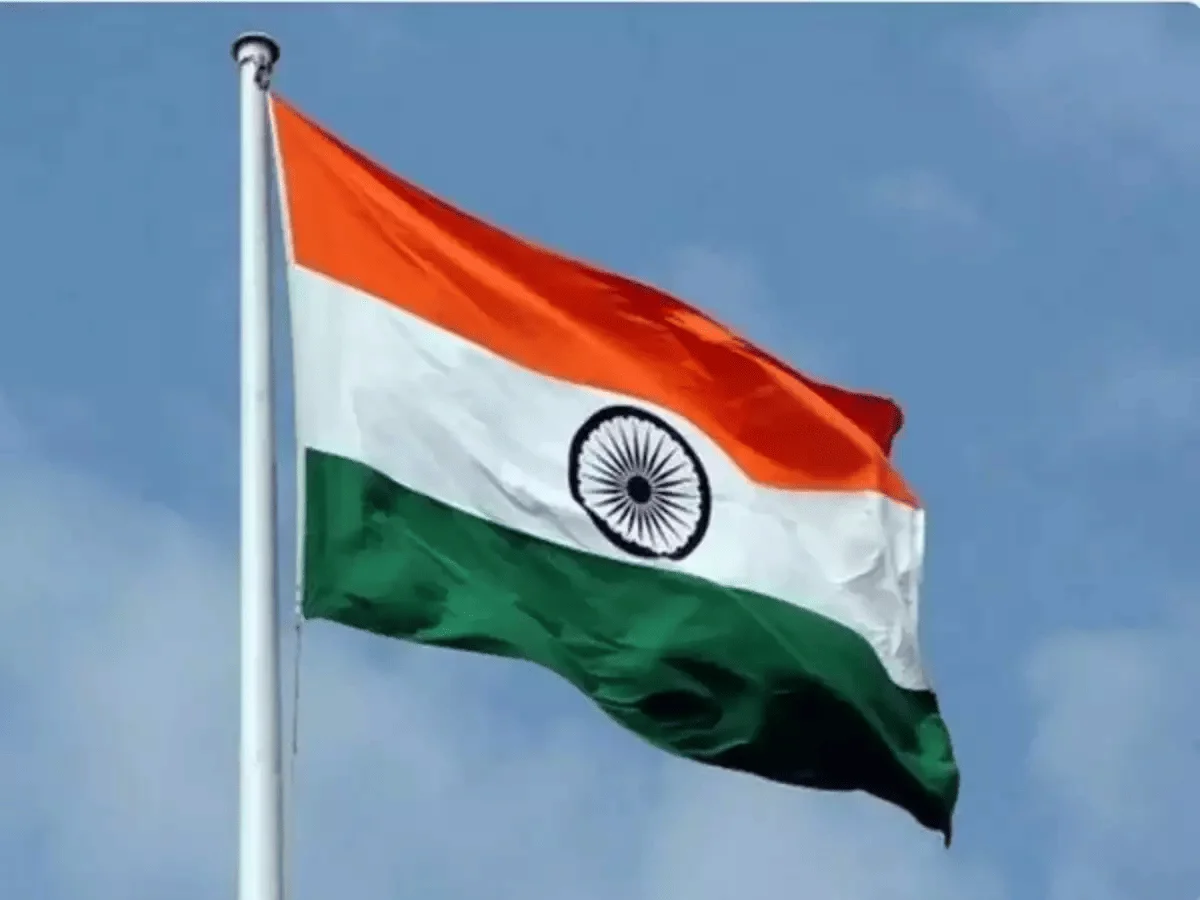
The Tiranga is India's national flag, designed by Pingali Venkayya and adopted on 22nd July 1947. The saffron band represents strength and courage. The white middle band signifies peace and truth, featuring the Dharma Chakra. The green band symbolizes the fertility and prosperity of the land. The central wheel is inspired by the Sarnath Lion Capital of Ashoka, containing 24 spokes representing continuous progress.

2. National Emblem (State Emblem of India)
The National Emblem of India is an adaptation of the Lion Capital of Ashoka at Sarnath. Its motto, Satyameva Jayate, signifies "Truth Alone Triumphs." It features four Asiatic lions standing back-to-back, mounted on an abacus adorned with an elephant, a galloping horse, a bull, and a lion, separated by wheels over a lotus. The emblem symbolizes power, courage, and confidence.
3. Indian National Calendar (Saka Calendar)
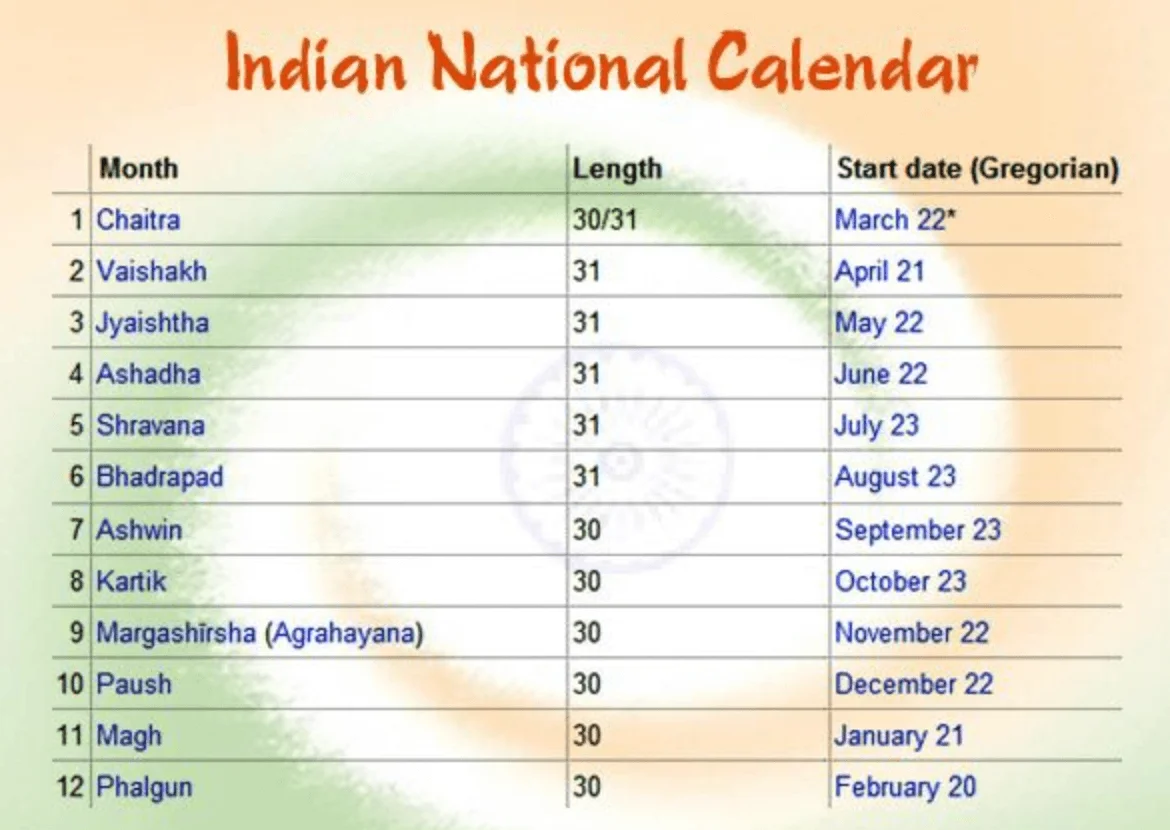
The Saka Calendar was introduced by the Calendar Reform Committee in 1957. It was officially adopted on 1 Chaitra 1879 (Saka Era), corresponding to 22 March 1957. The months of the national calendar are Chaitra, Vaishakha, Jyaishtha, Ashadha, Shravana, Bhadrapada, Ashwina, Kartika, Agrahayana, Pausha, Magha, and Phalguna.
| National Calendar (Saka Calendar) | |
| Months | Dates |
| Chaitra | 21st March - 20th April |
| Vaishakha | 21st April - 21st May |
| Jyeshtha | 22nd May - 21st June |
| Ashadha | 22nd June - 22nd July |
| Shravana | 23rd July - 22nd August |
| Bhadra | 22nd August - 22nd September |
| Became | 23rd September - 22nd October |
| Kartika | 23rd October - 21st November |
| Agrahayana | 22nd November - 21st December |
| Pausha | 22nd December - 20th January |
| Magha | 21st January - 19th February |
| Phalguna | 20th February - 20th/21st March |

4. National Anthem of India (Jana Gana Mana)
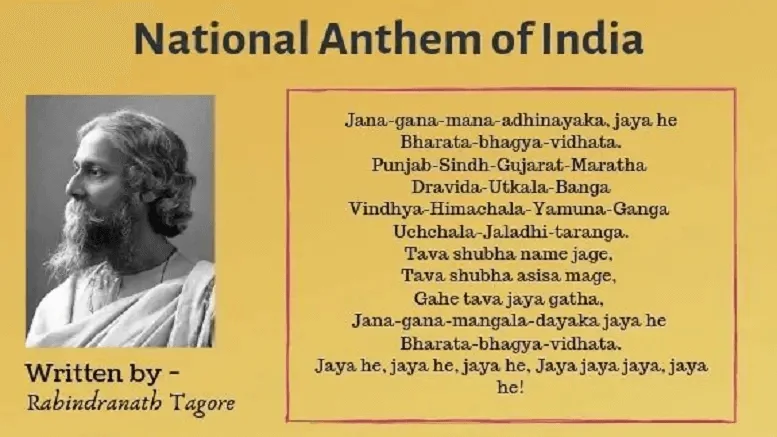
The National Anthem of India, "Jana-gana-mana," was originally composed in Bengali by Rabindranath Tagore. The Hindi version was adopted as the National Anthem by the Constituent Assembly on 24 January 1950. It was first performed publicly on 27 December 1911 during the Calcutta session of the Indian National Congress.
The full version of the National Anthem comprises five stanzas, with the first stanza serving as the official National Anthem.

5. National Song of India (Vande Matram)
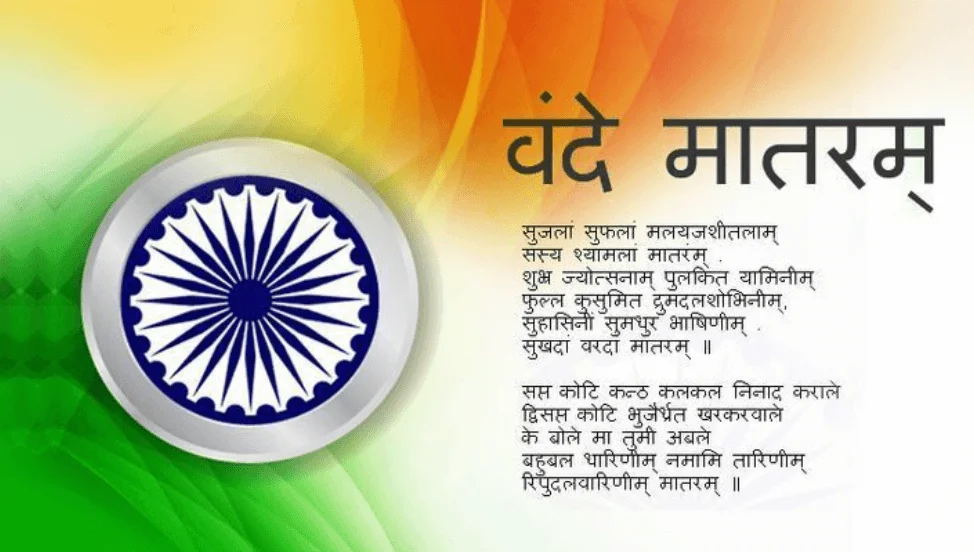
"Vande Mataram" is the national song of India, penned in Sanskrit by Bankimchandra Chatterji. On January 24, 1950, President Dr. Rajendra Prasad declared that "Vande Mataram," having played a pivotal role in the Indian freedom struggle, would hold equal status and be honored alongside "Jana Gana Mana."
"Vande Mataram" was first performed at the 1896 session of the Indian National Congress. The song is featured in Bankimchandra’s iconic 1882 novel, Anand Math.

6. National Currency (Indian Rupee)
The Indian Rupee (ISO code: INR; symbol: ₹) is India’s official currency, managed by the Reserve Bank of India. Adopted in 2010, the symbol was designed by Udaya Kumar Dharmalingam, combining the Devanagari consonant "₹" (Ra) and the Roman "R." The design reflects the Indian tricolor and the nation’s commitment to reducing economic disparities.
7. National Animal of India (Bengal Tiger)
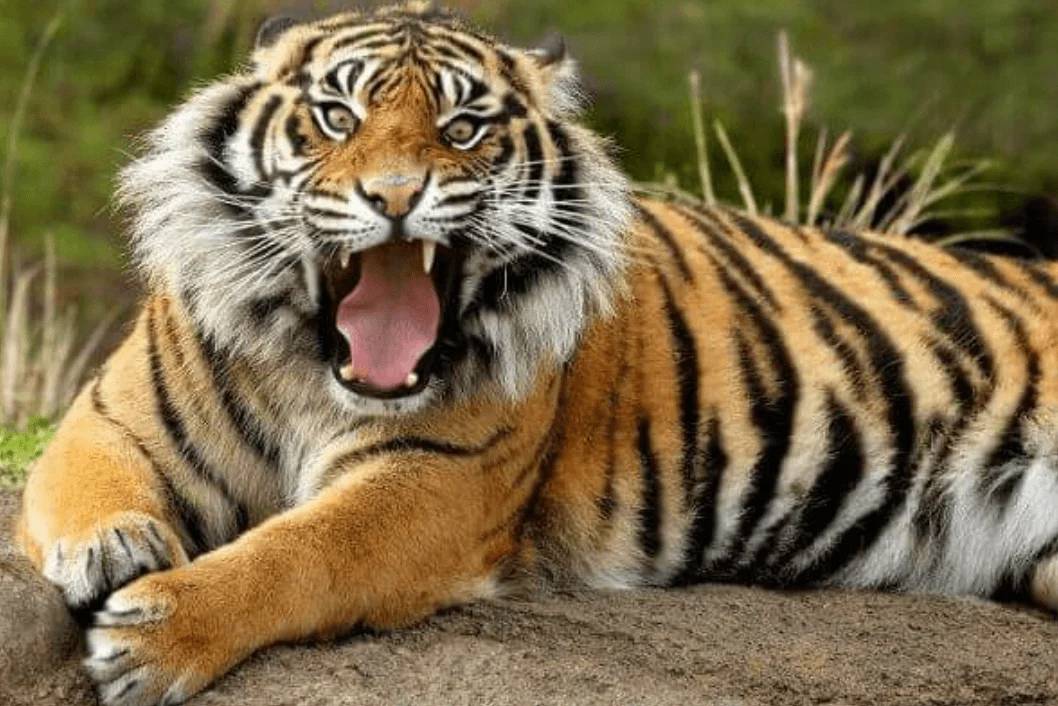
The Royal Bengal Tiger is the national animal of India and is recognized as one of the world's most majestic big cats. It was designated as the national animal in April 1973 to prioritize conservation efforts for the declining tiger population, replacing the lion.

Learn more about the National Animal of India
8. National Bird of India (Peacock)
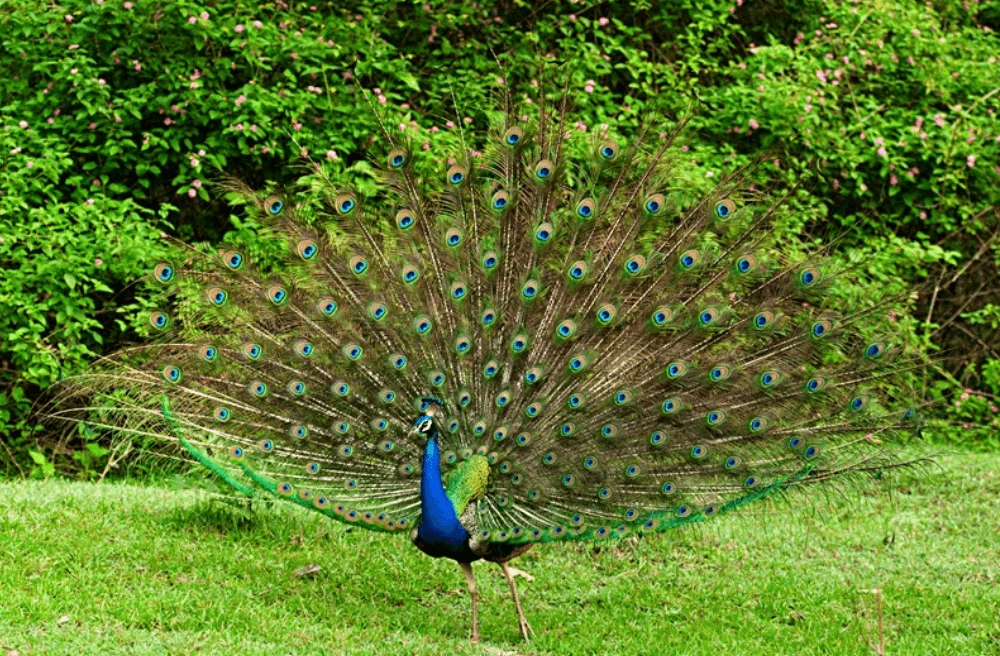
The Indian Peacock (Pavo cristatus) was declared the national bird of India on February 1, 1963. Native to the subcontinent, the peacock is celebrated for its vivid colors and grace, featuring prominently in Indian folklore and culture. It is commonly found across the Indian subcontinent as a resident breeder.

9. National Aquatic Animal (Dolphin)
The Ganges river dolphin is the officially designated National Aquatic Animal of India. Primarily found in the Ganges, Yamuna, Brahmaputra, and Chambal river systems, this unique species is a crucial indicator of river health.

10. National Fruit (Mango)
The Mango (Mangifera indica), famously known as the "King of Fruits," is the national fruit of India. Prized for its sweet flavor and aromatic fragrance, it symbolizes the abundance, prosperity, and richness of the Indian landscape.
11. National Flower (Lotus)
The Lotus (Nelumbo nucifera) is the national flower of India. Known as 'Padma' in Sanskrit, it holds deep spiritual significance. The Lotus symbolizes purity, wisdom, wealth, and enlightenment, representing the strength of heart and mind amidst the material world.
12. National Tree (Banyan Tree)
The National tree of India is the Banyan (Ficus benghalensis). Often referred to as the 'Kalpa Vriksha' or 'Tree of Wish Fulfillment,' it is associated with longevity and medicinal properties. Its vast expanse provides a vital ecosystem for countless species.
13. National River (Ganga)
The Ganga is the national river of India, originating from the Gangotri Glacier in the Himalayas as the Bhagirathi River. Considered the most sacred river by Hindus, it spans 2,510 km through mountains and plains, nourishing major cities like Varanasi, Allahabad, and Haridwar.
14. National Reptile (King Cobra)
The King Cobra (Ophiophagus hannah) is the National Reptile of India. As the world's longest venomous snake, it can reach up to 19 feet in length. Culturally significant in Hinduism as 'Naga,' the King Cobra is revered and often depicted alongside Lord Shiva.
16. National Heritage Animal (Indian Elephant)
The Indian Elephant is the designated National Heritage Animal of India. Native to Asia, this majestic animal is currently listed as endangered due to habitat fragmentation and environmental degradation.
17. Oath of Allegiance (National Pledge)
The National Pledge is an oath of allegiance to the Republic of India. Traditionally recited in schools and during national celebrations like Independence Day and Republic Day, it was originally written in Telugu by Pydimarri Venkata Subba Rao in 1962 and later translated into various regional languages.
National Symbols of India- FAQs
Ans: The Indian National Flag is known as the Tiranga and was designed by Pingali Venkayya.
Ans: The national song of India is "Vande Mataram," composed by Bankim Chandra Chattopadhyay.
Ans: The National Anthem of India was first performed on 27th December 1911 at the Calcutta session of the Indian National Congress.
Ans: The symbol for the Indian National Rupee was designed by Udaya Kumar Dharmalingam.
Ans: India has 17 official national symbols.
Also Read:
- Complete List of National and International Organizations and Their Headquarters
- National Tree of India: The Banyan Tree (Ficus benghalensis) Explained
- National Language of India: Understanding Official vs. Scheduled Languages
- National Parks in India: Complete List of 106 National Parks & 567 Wildlife Sanctuaries
- National Animal of India: Facts About the Royal Bengal Tiger & Global List
- What is the National Game of India? Debunking the Hockey Myth