For candidates appearing for Computer-Based Tests (CBT) under the Ministry of Railways, understanding how marks are evaluated is crucial. The Railway Recruitment Boards (RRBs) utilize a specialized percentile-based normalization method for all Centralized Employment Notices (CENs) governed by the 7th CPC Pay Matrix. This ensures fairness across candidates, regardless of which shift they were assigned to.
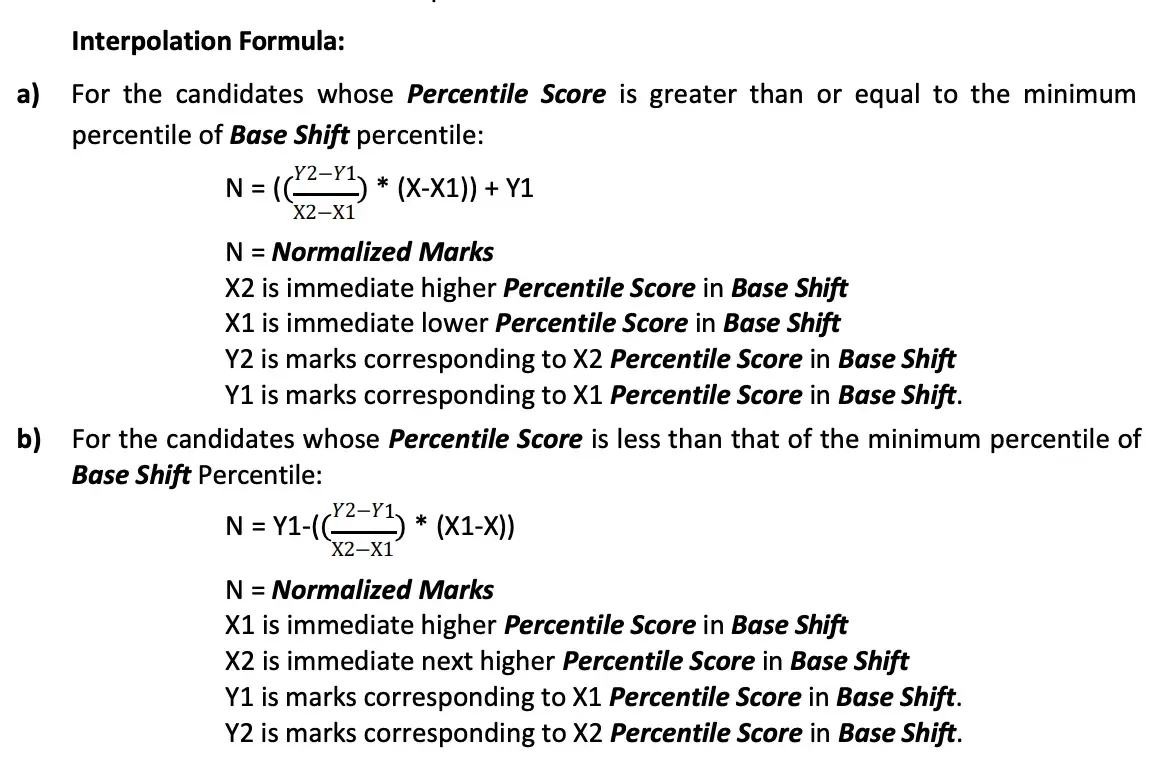
Understanding the RRB Normalization Methodology
It is important to note that a percentile score is distinct from a raw percentage of marks. While raw marks are determined by the number of correct answers minus the penalty for incorrect responses (typically 1/3rd of a mark per wrong answer), the normalized percentile score serves as the definitive benchmark for the final merit list.
RRB Normalization Calculation Process
- Calculate Raw Marks: Determine correct answers and subtract penalties for wrong answers.
- Determine Shift-wise Statistics: Calculate mean marks, standard deviation, and total candidate count for the shift.
- Identify the Base Shift: Establish the shift with the highest mean marks as the benchmark.
- Apply Normalization Formula: Use the statistical model to adjust raw scores to the Base Shift scale.
- Round Off: Normalize marks to two decimal places.
- Prepare Merit List: Rank candidates based on normalized scores and apply tie-breaking rules if necessary.
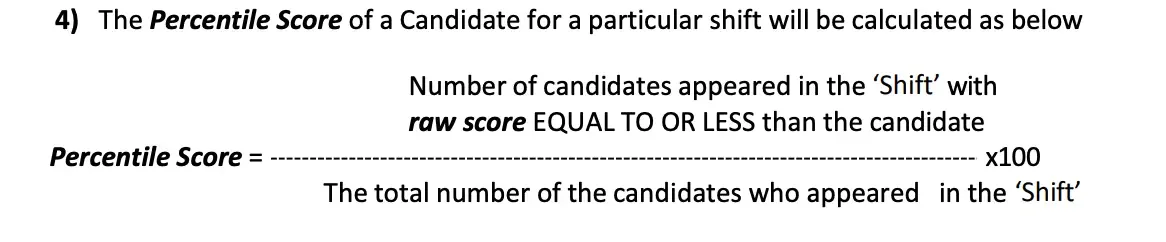
Statistical Benchmarks and Qualifying Criteria
The normalization process heavily relies on shift-wise statistical benchmarks. To ensure accuracy, the following data points are utilized:
- Mean (Average) marks of the shift
- Standard Deviation (SD) of the shift
- Total number of candidates in the shift
Minimum Qualifying Marks by Category
| Category | Minimum Qualifying Marks |
|---|---|
| UR | 40% |
| EWS | 40% |
| OBC (NCL) | 30% |
| SC | 30% |
| ST | 25% |
| ST (Level-1 Exam) | 30% |
Tie-Breaking Protocol
When two or more candidates achieve the same normalized score, RRB follows a strict tie-breaking protocol: older candidates are given preference. If the age is identical, the candidates' names are sorted alphabetically (A-Z) to determine the final rank.
Next Steps for Candidates
Candidates should monitor official updates to stay informed about exam schedules. For the latest developments, visit Check RRB NTPC UG Exam Date 2026 - Latest Updates. You can also review the detailed methodology in the Official RRB Normalization Method & Formula PDF. Ensure your documents are prepared and keep a close eye on your registration portal for admit card notifications.
Frequently Asked Questions (FAQs)
Recommended Reads
- IBPS RRB 2026 Application Process: Vacancies, Dates, and Online Steps
- IBPS RRB Clerk 2026: Exam Pattern, Syllabus, and Preparation Strategy
- IBPS RRB 2026 Recruitment & Cutoff Guide: Vacancies, Process & State-Wise Data
- RRB Paramedical Salary Structure 2026: Pay Scales, Benefits, and Career Path
- RRB JE Exam: Your Ultimate Guide to Selection Process & 25-Day Study Plan
- SSC JE vs. RRB JE: Which Junior Engineer Exam is Right for You?
Negative Marking & Net Score Calculator
Calculate your exact post-answer-key net marks after deducting 1/3rd or 1/4th negative penalty across SSC, UPSC, and State exams.
Never miss another exam update!
Get the fastest exam results, recruitment news, and educational guides delivered directly to your phone.